
Overtourism is a curation problem
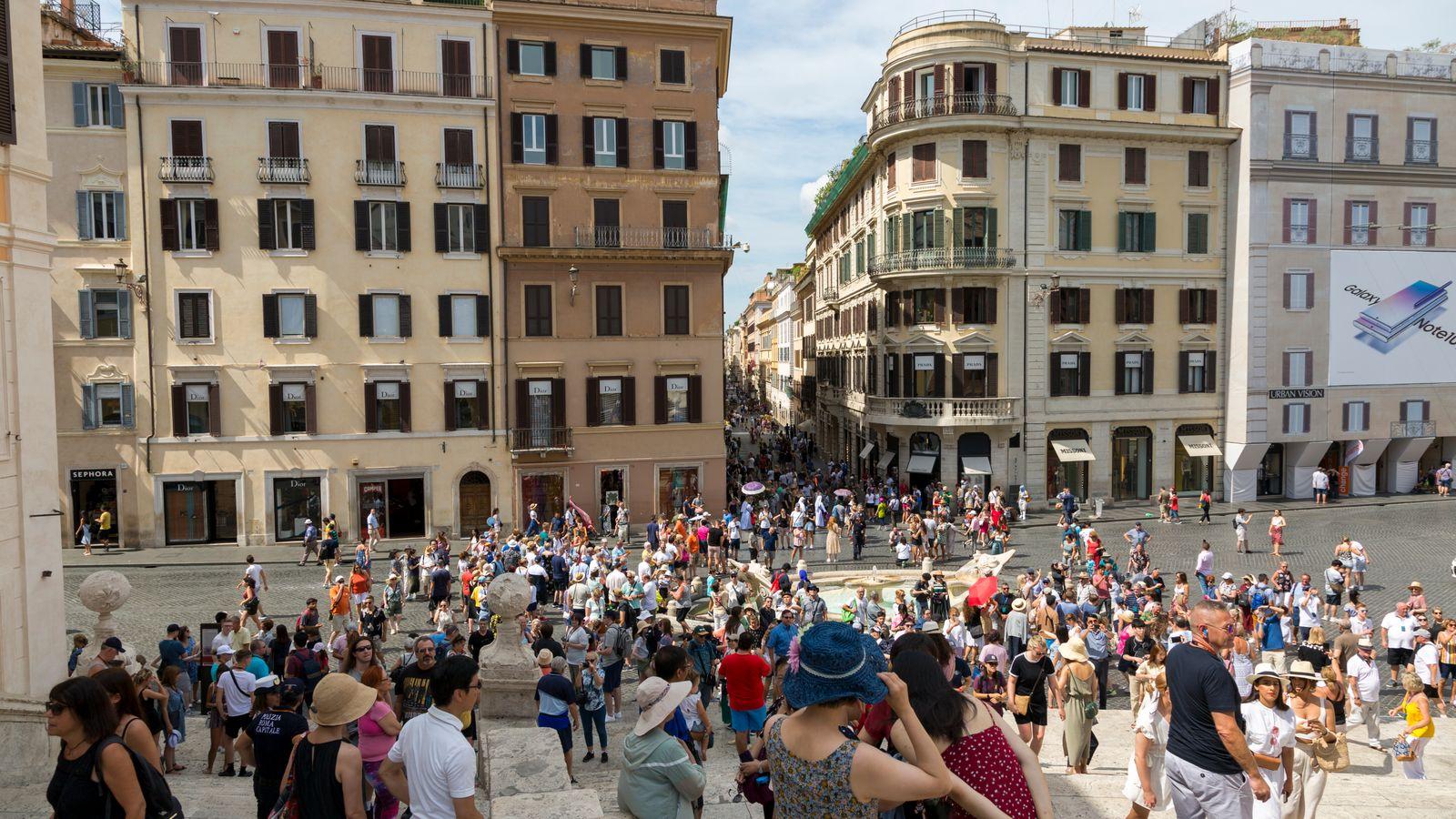
Every summer the same headlines come back. Venice charges an entry fee. Barcelona residents spray tourists with water pistols. Kyoto closes streets in Gion because visitors won't stop harassing geisha. The word for all of this is overtourism, and the standard diagnosis is that there are simply too many travelers.
We think the diagnosis is wrong. There aren't too many travelers. There are too many travelers in the same ten places, at the same time, taking the same photo. That is not a volume problem. That is a curation problem.

Think about how people decide where to go. They search "best restaurants in Lisbon" and get the same SEO-optimized listicle as the other four million people who searched it this year. They open TikTok and the algorithm shows them the same viral pastel de nata shop it showed everyone else. The internet has become extraordinarily good at concentrating attention on a handful of spots — and extraordinarily bad at distributing it.
The places themselves can't handle it. A bakery that was perfect at forty customers a day is a miserable experience at four hundred. The line kills the charm, the quality drops, the locals stop coming, and eventually the thing that made the place worth visiting is gone. The recommendation destroyed the thing it recommended.
Meanwhile, three streets away, there's an equally good bakery with no line at all. Nobody wrote about it, because nobody gets paid to write about it. Free content has to chase volume, and volume means writing about what people already search for. The listicle economy structurally cannot send you three streets away.
Paid curation can. When someone sells a map of their city, their incentive flips. They're not chasing clicks — they're staking their reputation on the quality of their picks. They can afford to include the bakery with no line, the bar with no sign, the viewpoint that isn't on Google Maps, because their buyers paid precisely for what the algorithm doesn't show.
There's a second effect that matters just as much: paid recommendations don't go viral. A map bought by a few hundred people who trust one specific creator spreads visitors thinly and sends them with context — what to order, when to come, how to behave. A video seen by four million people does the opposite.
We're not naive. Hotspot alone won't fix overtourism. But we think the direction is right: the internet needs fewer megaphones shouting the same ten addresses, and more quiet, deliberate, human recommendations that actually spread people out.
The cities are full. The listicles are why. Curation is the way out.