
The hidden cost of free travel advice
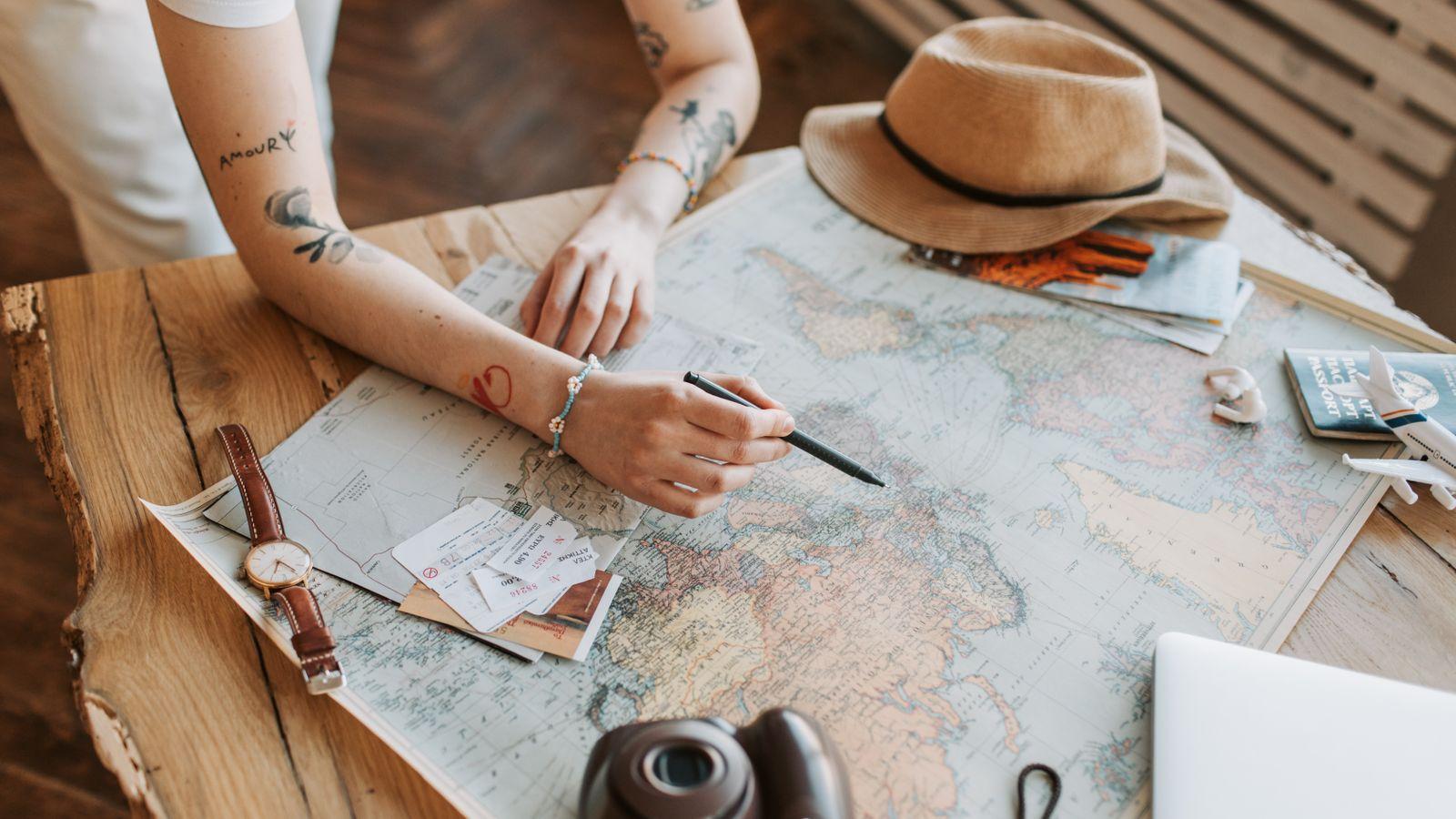
Nobody plans a trip anymore. People conduct research projects. Forty open tabs, three spreadsheets, two subreddits, a folder of screenshots, and a saved collection on Instagram they'll never open again. For a one-week trip, it's common to spend twenty or thirty hours triaging recommendations. That time is the first invoice of "free" travel advice.
The second invoice is quality. Most free travel content isn't written to help you — it's written to rank. The "25 best restaurants in Rome" listicle was assembled by someone who may never have been to Rome, optimized for a search engine, padded to hit a word count, and monetized with affiliate links to whatever books a commission. You're not reading advice. You're reading inventory.
Then there's the sponsored layer. That influencer gushing about a rooftop bar may have been paid to stand there. Disclosure rules exist, but the aesthetic of authenticity is precisely what's for sale. When recommendations are free to you, you are not the customer — the restaurant that paid for the post is. The advice serves whoever funded it.
Even the honest free content has a freshness problem. That beloved blog post about Lisbon was written in 2019. The chef left, the prices doubled, the neighborhood changed. Free content has no maintenance incentive: once it ranks, it just sits there, quietly going stale while continuing to send thousands of people to a place that no longer exists as described.
And the final invoice arrives at the table. The mediocre dinner on your one night in town. The two-hour queue for a viewpoint that a local would have told you to visit at 8am instead. The neighborhood you skipped because no listicle covered it. On a trip you saved months for, every bad recommendation has a real price — you just pay it in experience instead of euros.
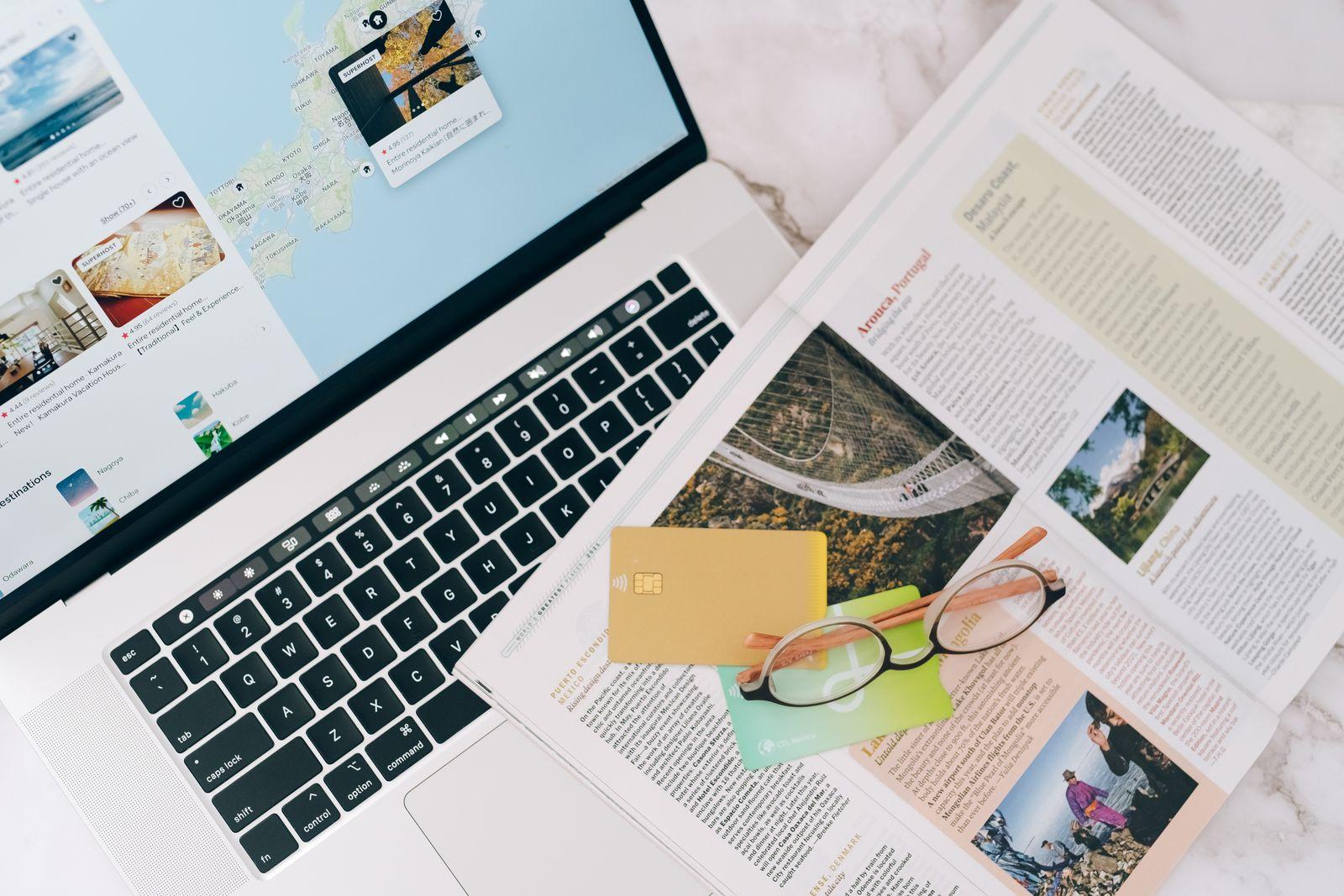
Now do the arithmetic. A trip to Japan might cost three thousand euros. People will spend that, then balk at paying twelve euros for the curated knowledge of someone who has spent years there — while trusting their two precious weeks to content written by nobody, for everybody, funded by somebody else. It's a strange place to draw the line on spending.
Paying for advice doesn't guarantee it's good. But it changes the incentives completely: a creator selling a map under their own name, to buyers who can review it, has every reason to keep it sharp, current, and honest. Their reputation is the product.
Free travel advice is the most expensive kind. The price tag is just hidden. We'd rather it be twelve euros and visible.