What makes a map worth paying for: anatomy of a great pin
An address is free. Google has all of them. If a paid map were just addresses, it would be worthless — and honestly, some paid guides out there are exactly that, which is why people hesitate to pay at all. So it's worth being precise about the question that decides everything on Hotspot: what turns a pin on a map into something a stranger should pay for?
Start with the test we use: could a first-timer walk in and have the experience you had? Not find the place — have the experience. Those are wildly different bars to clear, and everything below is in service of the second one.
A great pin says what to actually order. Not "the food is amazing" — which dish, which preparation, what to ask for if it's not on the menu. Most good places have a handful of things they're truly great at, surrounded by a menu of things they merely do. Knowing the difference is exactly the knowledge the buyer paid for.
A great pin knows about time. The trattoria that's magic at Tuesday lunch and a tourist processing facility on Saturday night. The viewpoint that's transcendent at 7am and a queue at noon. The bar that doesn't get good until midnight. A place isn't one experience — it's a different experience every hour, and the curator's job is to point at the right one.
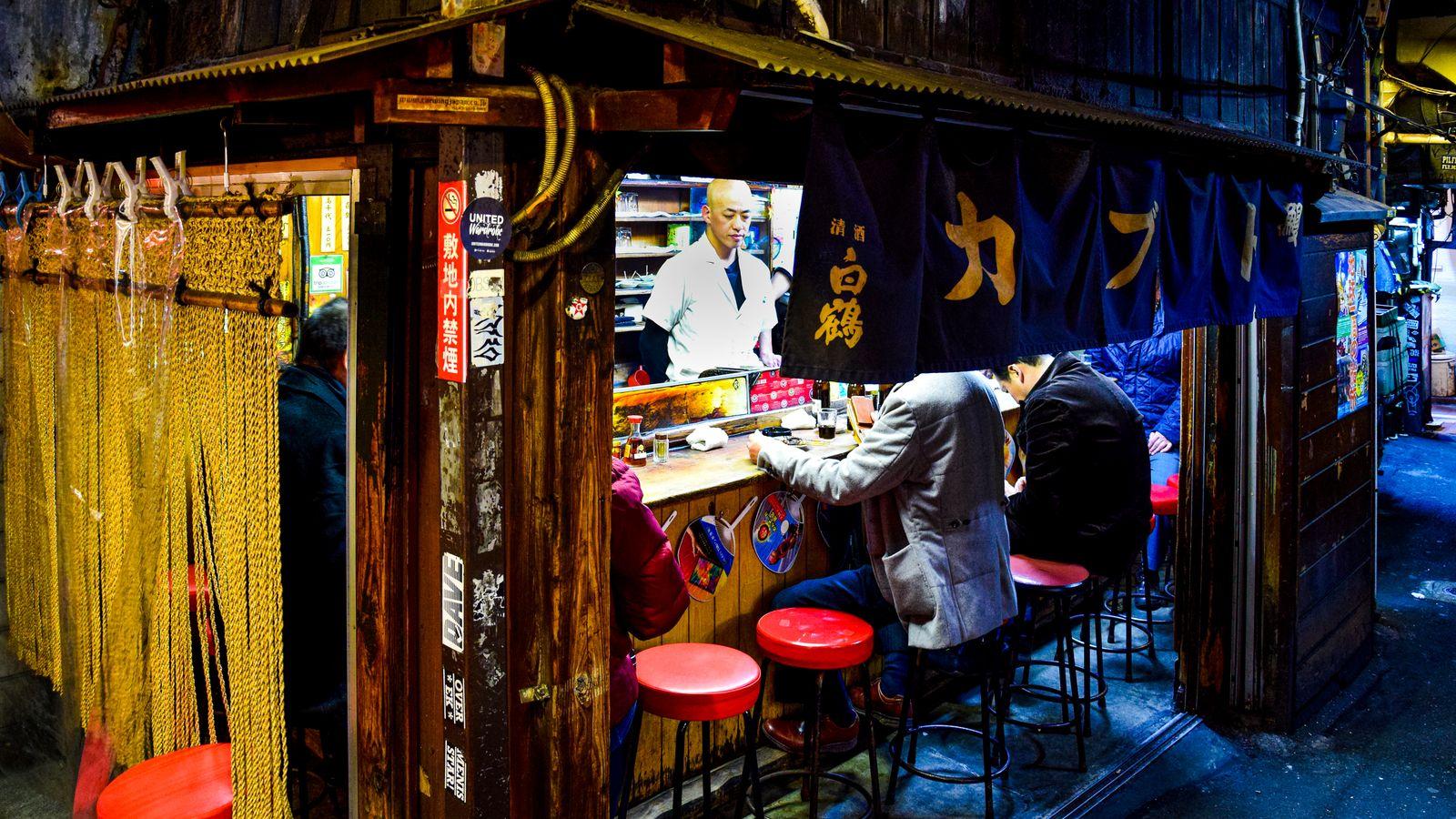
A great pin handles logistics honestly. Do you need to book, and how far ahead, and through what channel? Cash only? Is there a dress code, a doorbell, a second entrance, a password, a nine-seat counter? Every piece of friction you warn someone about is a small disaster you've prevented on their one night in that city.
A great pin admits what's wrong. "Service is gruff, go anyway." "Skip dessert." "Overpriced but the view earns it." Honest flaws do double duty: they save the buyer from surprises, and they prove a human actually sat there. Nobody trusts fifty pins of pure enthusiasm — perfection reads as marketing.
And a great pin tells you why it's yours. "I've been coming here every Sunday for three years." "The owner taught me to order the off-menu special." The personal stake is what a buyer can't get anywhere else; it's the difference between information and testimony.
Notice what's missing from this list: quantity. A map with thirty pins like this is worth real money. A map with three hundred naked addresses is worth nothing — it's a phone book with a price tag. When we say curation is a skill, this is the skill: knowing what to include, what to leave out, and what someone needs to know to stand where you stood.
That's what people pay for. Not the address — everything around it.